Operations and Production Management: Strategies for Success
In today’s dynamic business environment, effective operations and production management are essential for achieving organizational goals and maintaining competitiveness. This article delves into the key concepts, strategies, and best practices associated with operations and manufacturing management.
**Understanding Operations and Production Management:**
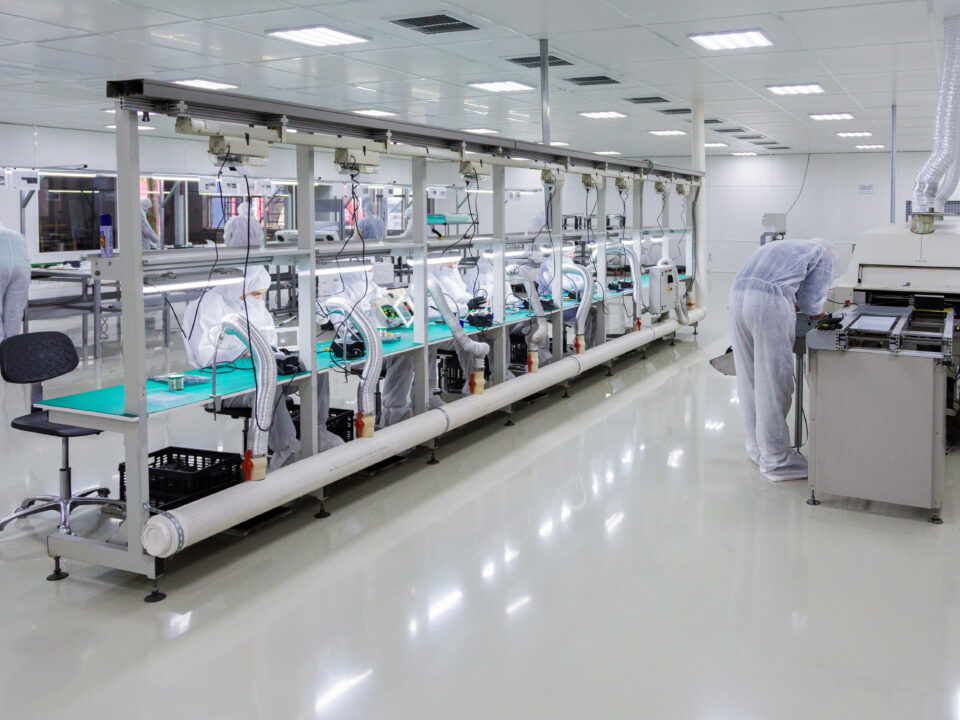
Operations and production management involve overseeing the processes and activities involved in converting raw materials into finished products or services. It encompasses planning, organizing, coordinating, and controlling resources to achieve desired outcomes efficiently and effectively.
Key Components of Operations and Production Management:
1. **Planning:** This involves setting objectives, determining resources needed, and establishing timelines for production activities.
2. **Organizing:** Organizing involves arranging resources such as manpower, machinery, and materials to optimize productivity.
3. **Coordinating:** Effective coordination ensures seamless flow of activities and resources throughout the production process.
4. **Controlling:** Controlling involves monitoring performance, identifying deviations from plans, and taking corrective actions to ensure desired outcomes are achieved.
Strategies for Effective Operations and Manufacturing Management:
1. **Lean Manufacturing:** Implementing lean principles can help eliminate waste, improve efficiency, and enhance overall productivity.
2. **Total Quality Management (TQM):** TQM focuses on continuous improvement and customer satisfaction by integrating quality into all aspects of operations.
3. **Just-in-Time (JIT) Inventory Management:** JIT minimizes inventory levels by delivering materials and components exactly when needed, reducing storage costs and enhancing efficiency.
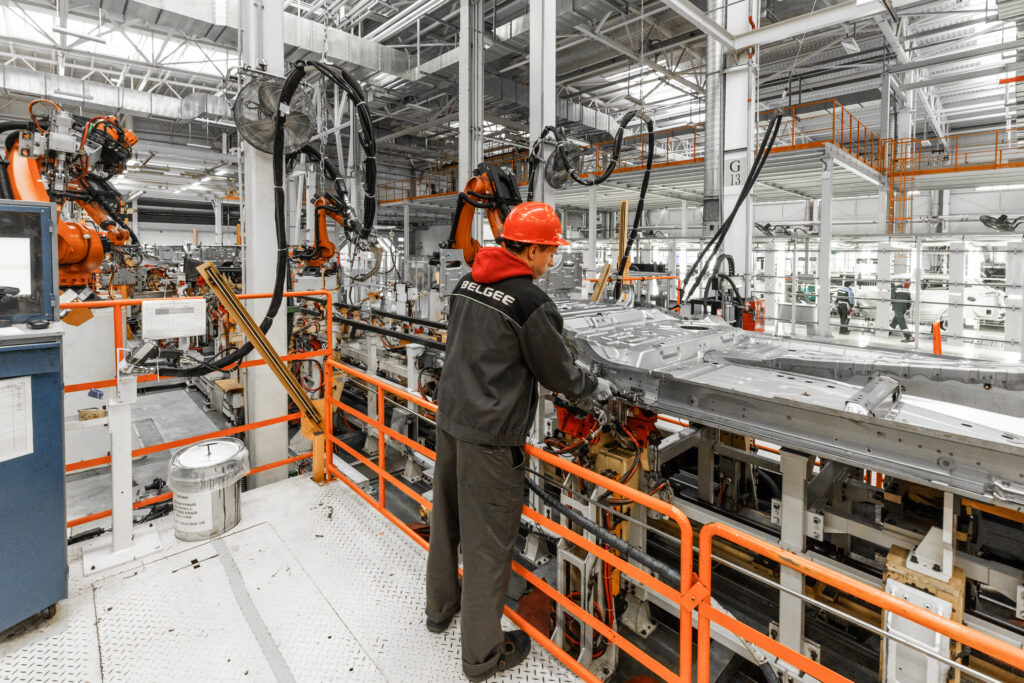
4. **Automation and Technology Integration:** Leveraging automation and technology can streamline processes, improve accuracy, and reduce lead times.
Challenges and Solutions:
1. **Supply Chain Disruptions:** Unforeseen events such as natural disasters or geopolitical issues can disrupt the supply chain. Building resilient supply chains and diversifying suppliers can mitigate risks.
2. **Quality Control Issues:** Implementing robust quality control measures and conducting regular inspections can help identify and address quality issues before they escalate.
3. **Resource Allocation:** Proper allocation of resources requires careful planning and prioritization to ensure optimal utilization and avoid bottlenecks.
Future Trends in Operations and Production Management:
1. **Digital Transformation:** The integration of technologies such as IoT, AI, and data analytics will continue to revolutionize operations and manufacturing management.
2. **Sustainability:** There is a growing emphasis on adopting sustainable practices to minimize environmental impact and meet consumer expectations.
Conclusion:
In conclusion, effective operations and manufacturing management are critical for achieving organizational success and maintaining competitiveness in today’s rapidly evolving business landscape. By implementing strategic approaches, leveraging technology, and staying abreast of emerging trends, businesses can optimize their operations and drive sustainable growth.